
Month: July 2025
Insight
Transit-Oriented Commercial Zones: Global Best Practices & Strategic Directions for Vietnam
1. From Transit Infrastructure to Commercial Ecosystem In the past, transport infrastructure was considered primarily as a functional asset — a place to get from point A to point B. Today, global cities are rethinking that notion. Transit-Oriented Development (TOD) and its commercial component, Transit-Oriented Commercial Zones (TOC), are emerging as powerful tools to not […]
30 July, 2025
1. From Transit Infrastructure to Commercial Ecosystem
In the past, transport infrastructure was considered primarily as a functional asset — a place to get from point A to point B. Today, global cities are rethinking that notion. Transit-Oriented Development (TOD) and its commercial component, Transit-Oriented Commercial Zones (TOC), are emerging as powerful tools to not only shape urban mobility but also to drive economic activity, enhance urban experience, and increase land value.
TOCs are commercial zones strategically integrated with major transit hubs: airports, metro stations, intermodal terminals, expressway rest stops, seaports, and even bus rapid transit (BRT) nodes. These are not just spaces to pass through; they are nodes of convergence, where footfall becomes opportunity, and mobility meets monetization.
In leading global cities, TOC planning is no longer an afterthought. It is embedded in early-stage design and coordinated across public-private stakeholders. The result? Transit spaces that deliver holistic experiences, from shopping and F&B to leisure, work, and even cultural engagement.
2. What Makes a Successful TOC?
Successful Transit-Oriented Commercial Zones exhibit several key traits:
a. User-Centric Design & Micro-Zoning
- Clear pedestrian flow, logical wayfinding, and intuitive retail clustering.
- Use of data to map customer behavior and optimize layout.
- Segmentation of zones for high-frequency retail, quick-service F&B, lounge/rest, flagship pop-ups, etc.
b. Multi-Tiered Retail Mix
- Affordable services for daily commuters.
- Premium and experiential offers for international travelers.
- Local brands for cultural identity and differentiation.
c. Integrated Digital Infrastructure
- Smart navigation and interactive kiosks.
- Real-time footfall analytics.
- Omnichannel retail experiences.
d. Public-Private Synergy
- Policy frameworks that enable long-term leasing, flexible tenancy models.
- Investment incentives for retailers and brand activations.
- Transparent collaboration between developers, authorities, and operators.
3. Learning from the World’s Leading TOC Models

Doha Hamad International Airport (Qatar)
With over 52.7 million passengers in 2024, Doha is more than a transit airport — it is a global shopping and brand experience hub. Louis Vuitton, Harrods, and other top brands have installed immersive pop-ups in high-traffic convergence points. Its design prioritizes visibility, linger time, and comfort, creating a seamless commercial journey.

Changi Airport (Singapore)
Integrates art, nature, retail, and relaxation. Features like Jewel Changi redefine what an airport commercial experience can be. Its retail offering is deeply curated based on passenger segmentation, traffic patterns, and cultural relevance.
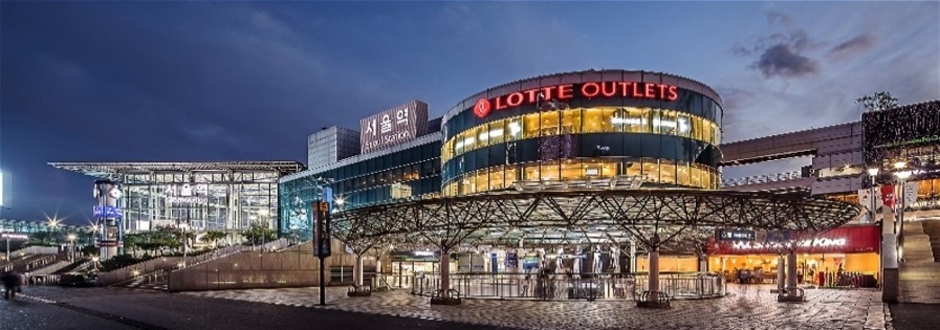
Seoul Metro Stations (South Korea)
Metro-linked malls like COEX and Gangnam Terminal Underground Mall demonstrate how TOCs can succeed even without an airport context. The keys lie in multi-level connectivity, hyperlocal brand mix, and entertainment integration.
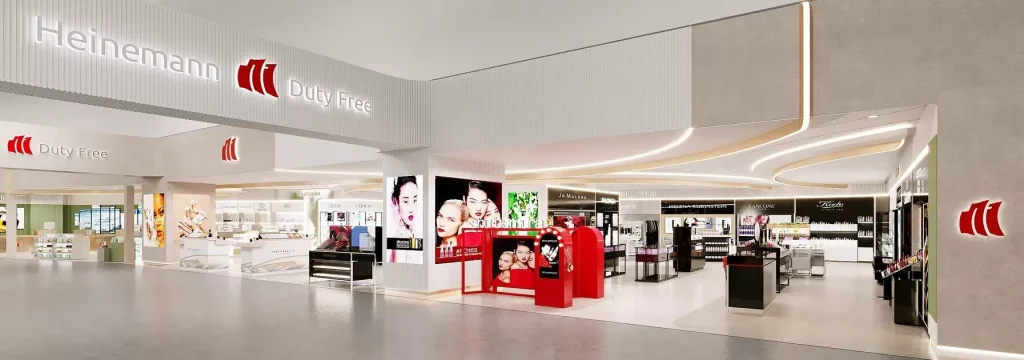
KLIA2 by AirAsia (Malaysia)
Built specifically for low-cost carriers, this terminal balances affordability and retail vibrancy. It’s a model of how TOCs can be tailored for budget-conscious travelers while still delivering a dynamic commercial experience.
4. Vietnam: The Untapped Potential of TOCs
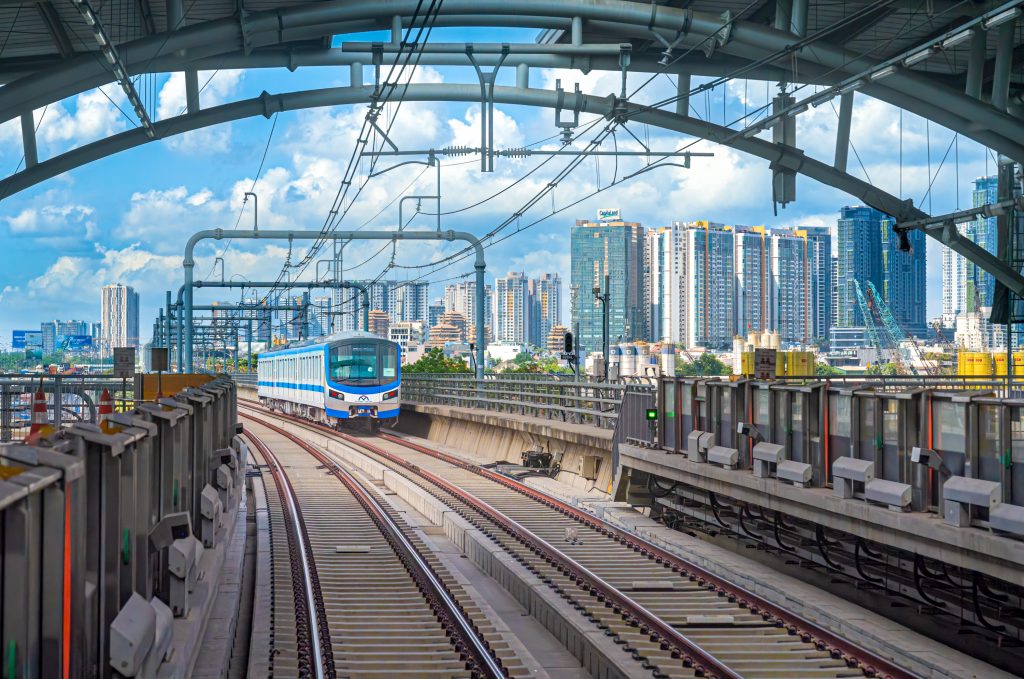
Vietnam is at a crucial juncture. With major transit infrastructure projects underway — Long Thành International Airport, Metro Line 1 in Ho Chi Minh City, North–South Expressway rest stops, and intercity bus terminals — there is an urgent need to embed TOC thinking from the outset.
However, current practice reveals several gaps:
- Design is function-first, not experience-first.
- Retail planning is often late-stage, fragmented, or heavily standardized.
- Brand mix lacks localization and differentiation.
- Operational models are rigid, limiting innovation.
The opportunity? TOCs in Vietnam can unlock value in three key ways:
- Economic: Generate non-aeronautical or non-ticketing revenue.
- Experiential: Enhance traveler satisfaction and national branding.
- Civic: Serve as inclusive, vibrant public spaces that reflect Vietnamese culture.
5. Recommendations for a New Approach
✅ Embed TOC Strategy in Transit Planning
Commercial design must be part of the masterplan — not an afterthought. Collaborate early with retail consultants, operators, and architects who understand TOC dynamics.
✅ Think Beyond Duty-Free
Introduce pop-up retail, co-working pods, cultural exhibits, wellness corners, local food clusters. Think hybrid: shop-house + smart kiosk + digital vending + flagship showcase.
✅ Segment Your User Base
Understand who your transit hub serves — international tourists, domestic commuters, business travelers, budget flyers — and tailor commercial programming accordingly.
✅ Enable Private Sector Innovation
Encourage flexible tenancy models, licensing for brand activations, and co-investment structures to attract global and local brands.
6. Kim Tài Property Solutions – Your Strategic Partner in TOC Development
At Kim Tài Property Solutions (KTPS), we bring deep expertise in retail-led commercial strategy, with a strong understanding of the Vietnamese context and international best practices.
Our services include:
- TOC master planning in alignment with TOD and government development agendas.
- Retail concept design based on passenger or commuter analytics.
- Brand curation & leasing strategy tailored for transit environments.
- Set-up & operations, from retail zoning to facility management and tenant success models.
- Innovation labs to co-develop pop-up and experiential retail formats.
We work alongside government agencies, urban planners, and private developers to transform transit into opportunity — both for the traveler and for the city.
Let’s Build the Future of Transit Together
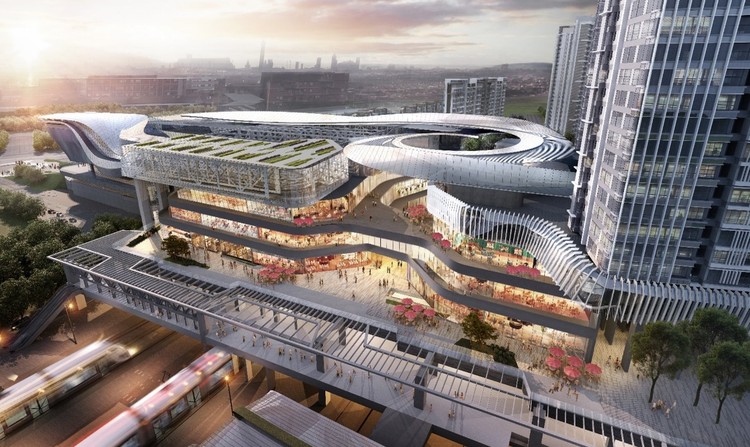
TOC is not a trend — it is a strategic imperative for future-ready cities.
Vietnam has the people, traffic volume, and design talent — what’s needed now is vision, coordination, and execution.
If you are working on a transit hub, airport, metro station, or highway development, contact us today to explore how TOC can create sustainable value and lasting impact.
📞 Contact: Thuy Nguyen +84 909 897 101 thuy@kimtai.com.vn
