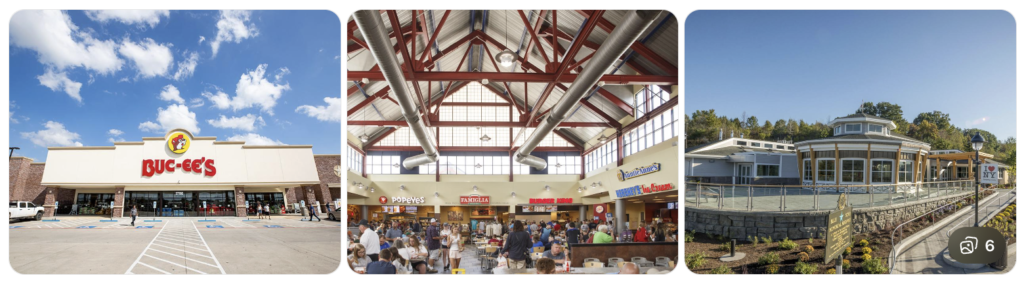
Month: May 2026
News
The government is promoting the Outlet & Retail Destination model in Vietnam: Opportunities and new trends in commercial real estate development.
In recent years, the Vietnamese retail market has not only experienced strong growth in scale but has also begun a clear shift in its development mindset. Previously, commercial real estate primarily revolved around the issue of “space acquisition and occupancy,” but now, new government policy directions reveal a much broader picture: developing an integrated commercial […]
13 May, 2026
In recent years, the Vietnamese retail market has not only experienced strong growth in scale but has also begun a clear shift in its development mindset.
Previously, commercial real estate primarily revolved around the issue of “space acquisition and occupancy,” but now, new government policy directions reveal a much broader picture: developing an integrated commercial ecosystem encompassing retail, tourism, entertainment, logistics, and consumer experiences.
Continuously during the period 2021–2026, the Government and regulatory agencies have issued or developed numerous important strategies to shape the future of the Vietnamese retail market.
Notable documents include:
- Decision No. 1163/QD-TTg dated July 13, 2021, of the Prime Minister approving the Strategy for Domestic Trade Development to 2030, with a vision to 2045.
- Decision No. 2326/QD-TTg dated October 21, 2025, approving the Strategy for the Development of Vietnam’s Retail Market to 2030, with a vision to 2050.
- The Draft Plan for the Development of Outlet Centers in Ho Chi Minh City for the period 2026–2030, with a vision to 2050, developed by the People’s Committee of Ho Chi Minh City in May 2026.
These documents clearly signal:
Vietnam is beginning to enter the era of “Retail Destination”.
Summary of 3 documents
1. Decision No. 1163/QD-TTg dated July 13, 2021, of the Prime Minister approving the Strategy for Domestic Trade Development to 2030, with a vision to 2045.
Government’s Major Objectives:
- Building a modern, integrated, and strongly digitized commercial system.
- Developing the domestic market as a driving force for economic growth.
- Forming large-scale, modern commercial models integrating logistics, e-commerce, and consumer experience.
Key Directions:
a. Modernizing Commercial Infrastructure
Priority:
- Shopping Centers
- Modern Retail Chains
- Logistics
- Warehousing
- Digital Commercial Infrastructure
- E-commerce
This forms the legal foundation for the new generation of “Retail Destination” in Vietnam.
b. Developing Integrated Models
Emphasis on:
- commerce + services + tourism + entertainment
- regional linkages
- connected to major transportation infrastructure
This thinking is very similar to the model of:
- outlet village
- lifestyle retail
- mixed-use retail destination
c. Promoting Domestic Consumption
The government views domestic trade as:
“the main driver of economic growth”
and encourages:
- stimulating consumer demand
- enhancing shopping experiences
- developing the night-time economy
- trade linked to tourism
Notable targets by 2030:
- E-commerce accounts for approximately 10.5-11% of total retail sales
- 40-45% of businesses apply e-commerce
- A nationwide, synchronously developed commercial infrastructure system
- Strategic Significance
This is the master document, laying the foundation for:
- retail modernization
- outlet
- logistics retail
- omnichannel commerce
- shopping tourism
2. Decision No. 2326/QD-TTg dated October 21, 2025, approving the Strategy for the Development of Vietnam's Retail Market to 2030, with a vision to 2050.
If Decision 1163 was the “framework of thought,” then 2326 is a more concrete step forward for the modern retail industry.
The most notable point: Shifting from “shopping” to a “consumer ecosystem”
The government is directing retail to:
- multi-experienced
- multi-functional
- lifestyle-oriented
- technology-integrated
- combine logistics, tourism, and entertainment
Retail is no longer just “rented space.”
It becomes: a consumer ecosystem and an experiential destination.
Strategic directions:
a. Developing new retail models
Encouraging:
- outlet
- retail park
- omnichannel retail
- experiential retail
- logistics retail
- e-commerce combined with offline
b. Prioritize large-scale integrated retail projects:
- Large-scale retail centers
- Connected to transportation
- Connected to new urban areas
- Connected to tourism
- Regional linkages
This is the “green light” for mega retail destinations.
c. Retail + Logistics
For the first time, logistics is considered the core of the retail ecosystem:
- Logistics centers
- Smart warehousing
- Modern supply chain
- Retail fulfillment
d. Shopping Tourism
Encouragement:
- Developing shopping tourism
- Linking airlines, tourism, and retail
- Building regional shopping destinations
This is crucial for:
- Outlet villages
- Luxury outlets
- Airport retail
- Duty-free ecosystems
Targets by 2030:
- Total retail sales increase by 10-11.5%/year
- E-commerce increase by 15-20%/year
40-45% of retail businesses participate in e-commerce - Formation of large-scale modern retail chains
Strategic Significance
This document almost legitimizes the development trends of:
- Outlet centers
- Lifestyle retail
- Integrated retail destinations
- Shopping tourism
And paves the way for:
- Professional retail developers
- International investors
- Major brands
- Mixed-use retail models
3. The Draft Plan for the Development of Outlet Centers in Ho Chi Minh City for the period 2026–2030, with a vision to 2050, developed by the People's Committee of Ho Chi Minh City in May 2026.
This represents a shift from a “national strategy” to “practical implementation at the local level.” Ho Chi Minh City is preparing to officially develop outlets as a strategic type of commercial infrastructure.
Outlet: Change in perception
For many years, the concept of an outlet in Vietnam was generally understood quite simply as a model of selling discounted or clearance goods.
However, in new directions, outlets are being viewed in a completely different role.
According to Ho Chi Minh City’s draft plan, future Outlet Centers will be oriented as:
- tools to stimulate consumer demand,
- shopping tourism destinations,
- modern commercial infrastructure,
- and part of the night-time economy, logistics, and service ecosystem.
In other words, outlets are no longer just “shopping.”
They are becoming a comprehensive experiential destination.
This trend has become very popular in developed markets such as:
- Bicester Village (UK)
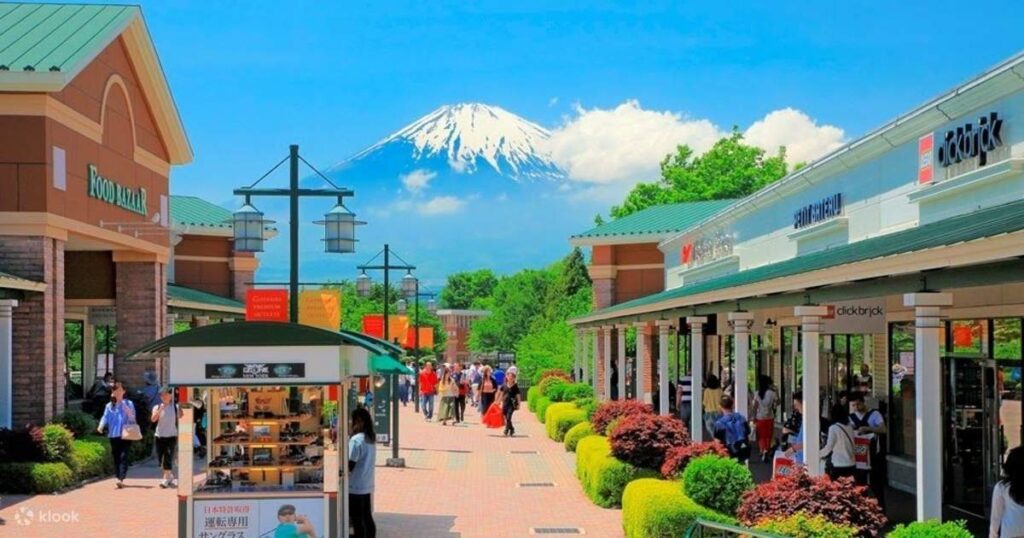
- Gotemba Premium Outlets (Japan)
- Lotte Premium Outlet (Korea)
where customers come not only to shop, but also to relax, experience lifestyle, enjoy food and beverages, attend events, and interact with the brand.
New Trends for Vietnam Commercial Development: Retail + Tourism + Lifestyle
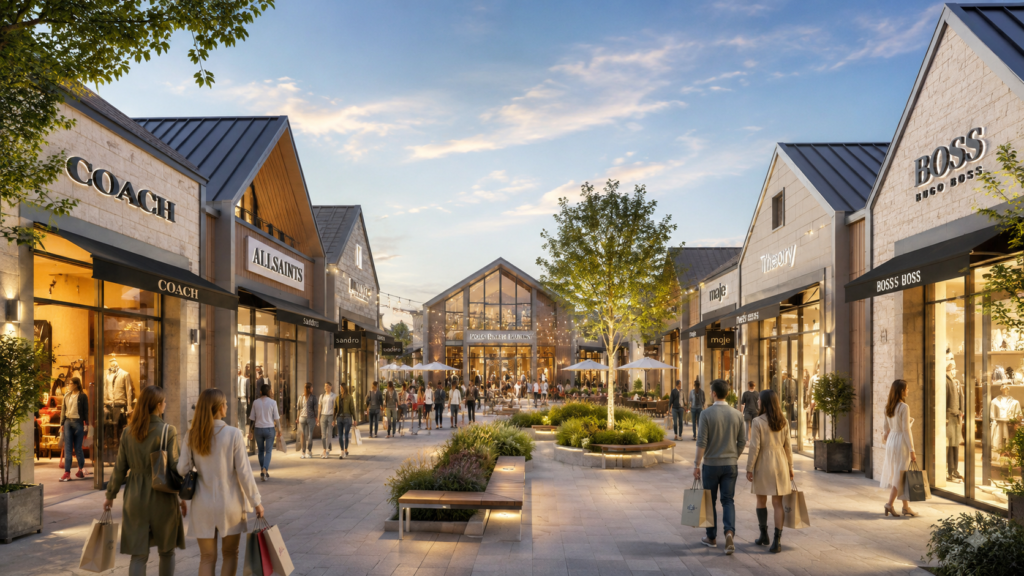
One of the most notable aspects of Ho Chi Minh City’s outlet development plan is the integration of: commerce, tourism, entertainment, culture, and the hospitality industry. According to the draft, future outlet models are oriented towards integrating: restaurants, cafés, entertainment areas, event spaces, tourism services, on-site VAT refunds, shuttle buses connecting the airport and city center, along with e-commerce and logistics platforms to support operations.
This indicates that the Vietnamese retail market is gradually shifting from “Retail Space” to “Retail Experience Ecosystem”
Strategic areas are being prioritized for development
The draft plan for Ho Chi Minh City also reveals several strategic areas slated for the future development of large-scale outlet shopping centers.
Long Thanh – Ring Road 3 – National Highway 13
This area is oriented towards developing a premium/luxury outlet model, connecting Long Thanh Airport and inter-regional transportation arteries. It is considered a potential new retail corridor in the South.
Tay Ninh – Moc Bai
This area aims for a regional outlet model combining shopping tourism and border tourism, leveraging its large land area and connectivity to Cambodia.
South Saigon
This area is oriented towards an outlet combining F&B, entertainment, and lifestyle retail, serving the expat community and tourists.
Ho Tram – Vung Tau
This area aims for a luxury/premium outlet village model linked to resorts, vacationing, and beach tourism. This is a very popular trend at international resort destinations.
The government is creating a favorable environment for the Outlet model.
A particularly noteworthy point is the proposed support mechanism specifically for the outlet model.
This includes:
- land lease incentives,
- investment procedure support,
- tax incentives,
- VAT refunds for international customers,
- logistics and customs support,
- and many other specific mechanisms for outlet operations.
This shows that the State is proactively paving the way to:
- attract strategic investors,
- international outlet operators,
- retail brands,
- logistics businesses,
- and large-scale commercial real estate developers.
The future of commercial real estate will be the "commercial ecosystem".
In national trade development strategies, the government also strongly emphasizes:
- omnichannel retail,
- e-commerce,
- smart retail,
- logistics,
- and integrated consumer experiences.
This indicates that the future of commercial real estate will no longer revolve solely around “leasing space” but will focus more on:
- building experiential ecosystems,
- connecting retail and tourism,
- developing lifestyle destinations,
- creating community traffic,
- and operating based on data, technology,
- and new consumer behaviors.
From Kim Tài Property Solutions' view
At Kim Tai Property Solutions, we believe that Vietnam is entering a completely new development cycle for the retail and commercial real estate markets.
Current policy changes not only create opportunities for:
- real estate developers,
- retail brands,
- the tourism industry,
- the hospitality industry,
- and logistics,
but also open up the potential for the formation of new models:
- retail destinations,
- outlet villages,
- lifestyle commercial hubs,
- shopping tourism ecosystems,
- and mixed-use retail in Vietnam.
This will be one of the key trends shaping Vietnam’s commercial real estate market over the next 10–20 years.
Strategic Planning, Model Development, International Partner Networking, and Commercial Operations Consulting Services for Outlet and Retail Destination.
Contact us
Thuy Nguyen
Managing Director
Kim Tài Property Solutions
thuy@kimtai.com.vn
+84 909 897 101
adminkt
Lorem ipsum dolor sit amet, consectetur adipiscing elit. Nulla vel placerat libero. Integer ut felis eget massa sollicitudin tristique.
Insight
Highway Rest Stop – Turning Transit into Commercial Performance
Đọc bài tiếng Việt, vui lòng click vào đây Highways in Vietnam are continuous flows of people and goods. But within these flows lies an often underestimated opportunity: the highway rest stop. Traditionally, rest stops were built to serve basic needs. Today, globally, they are being redefined as a Transit-Oriented Commercial typology – where movement […]
4 May, 2026
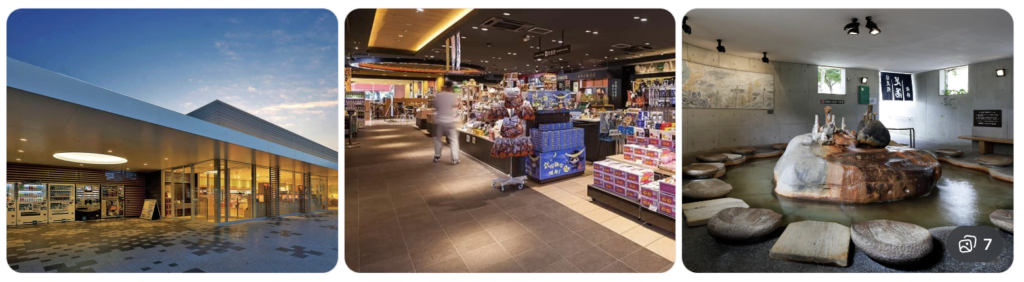
Highways in Vietnam are continuous flows of people and goods. But within these flows lies an often underestimated opportunity: the highway rest stop.
Traditionally, rest stops were built to serve basic needs. Today, globally, they are being redefined as a Transit-Oriented Commercial typology – where movement is transformed into sustainable commercial performance.
1. From Technical Stop to Commercial Destination - Some Highway Rest Stop in the World
In Japan, “Michi-no-Eki” function as local cultural and retail hubs.
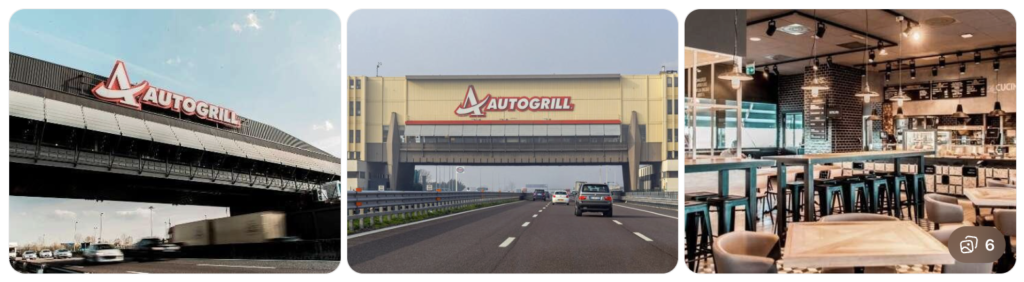
In Italy, Autogrill blends architecture and dining into iconic experiences.
In the U.S., travel plazas like Buc-ee’s scale rest stops into consumer destinations.
Across Europe, many integrate sustainability and landscape-driven design.
The common thread: They don’t just sell products. They sell the journey experience.
Japan: Expressway “Service Areas” & “Michi-no-Eki”
Japan treats rest stops like curated marketplaces. From themed architecture to regional food halls, each stop celebrates local identity. Hot spring foot baths, seasonal festivals, and limited-edition snacks you can’t find anywhere else.
South Korea: Premium Highway Rest Areas
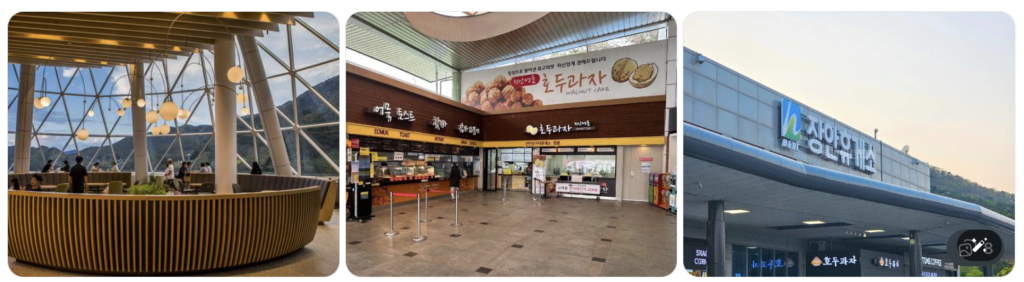
South Korea elevates rest stops into experience-driven destinations centered around food and leisure.
Many stops are famous for signature local snacks like walnut cakes (hodugwaja), hotteok, and even DIY ramen stations. With modern design, vibrant lighting, and diverse amenities, stopping becomes an enjoyable highlight of the journey rather than just a necessity.
Italy: Autogrill Experience
The iconic Autogrill is not just a stop, it’s a design statement. Some locations literally bridge across highways, offering panoramic views while serving espresso and pasta. A poetic blend of mobility and Italian lifestyle.
United States: Themed & Branded Stops
From massive travel plazas like Buc-ee’s to state welcome centers, U.S. rest stops focus on scale and convenience. But increasingly, they integrate branding, storytelling, and local tourism promotion – turning a stop into a destination.
Netherlands: Landscape Integration
Minimalist, sustainable, and deeply connected to nature. Dutch rest stops often feel like quiet design interventions – blending seamlessly into the landscape with eco-friendly materials and subtle architecture.
2. The Core Logic: Flow-Based Commercial Asset
A modern rest stop is no longer an infrastructure cost—it is a flow-based commercial asset. Value is driven by:
- Traffic flow
- Dwell time
- Spend per visit
- Experience design
High traffic alone does not guarantee revenue. Only the right strategy converts flow into spend.
3. Key Components of a High-Performing Rest Stop
- Treating rest stops as infrastructure, not commercial products
- Weak tenant strategy
- Poor circulation and visibility design
- Lack of clear concept
- Unfocused investment
4. Common Pitfalls
Nhiều dự án không tối ưu được doanh thu không phải vì thiếu lưu lượng, mà vì:
- Xem trạm dừng như công trình hạ tầng và kiến trúc, không phải dự án thương mại
- Thiếu chiến lược tenant mix
- Thiết kế không tối ưu hành vi khách
- Không quy hoạch ý tưởng sáng tạo trải nghiệm rõ ràng
- Đầu tư dàn trải, thiếu trọng tâm
Kết quả là lưu lượng cao nhưng hiệu quả kinh doanh doanh thu thấp.
As Vietnam rapidly expands its highway network, rest stops represent a new frontier of commercial real estate.
From “stop & go” → “stop & stay” → “stop & spend.”
The difference lies not in location, but in strategy and execution.
Strategic Consulting Services for the Planning, Development, and Commercial Operations of Highway Rest Stops in Vietnam
Unlock the full commercial potential of your highway assets.
Partner with us to transform traffic flow into sustainable revenue.
Thuy Nguyen
Managing Director
Kim Tài Property Solutions
thuy@kimtai.com.vn
+84 909 897 101
adminkt
Lorem ipsum dolor sit amet, consectetur adipiscing elit. Nulla vel placerat libero. Integer ut felis eget massa sollicitudin tristique.